Renting a dumpster like a pro needs careful planning and focus to information. Begin by accurately reviewing your waste generation needs, considering the type and quantity of waste, task size, and regional laws. Select the ideal dumpster size, varying from 10-40 yards, and prepare for reliable filling strategies to take full advantage of capacity. Understand rental periods, which can range from days to months, and know prohibited items and neighborhood disposal standards. With these essential ideas, you'll be well on your way to a smooth waste administration experience; and, by exploring further, you'll discover much more professional recommendations to assure a stress-free dumpster rental process.
Determine Your Dumpster Needs
Determine Your Dumpster Needs
Typically, individuals and companies alike typically underestimate the amount of waste they will certainly generate during a project or event, bring about an inequality in between the dumpster size and the real garbage disposal requirements. This oversight can cause unnecessary expenses, hold-ups, and environmental concerns.
To avoid these issues, it's necessary to properly determine your dumpster needs Before renting out a dumpster, consider the type and amount of waste you'll be dealing with. Will you be handling building and construction debris, family garbage, or recyclables?
Are you organizing a little gathering or a large occasion? Take into account the duration of the job or event, along with the number of individuals or workers included. In addition, consider any kind of local guidelines or restrictions on waste disposal.
Choose the Right Dumpster Size
Most projects and occasions require a details dumpster size to assure efficient waste management Choosing the appropriate dimension dumpster is important to assure that your waste is effectively contained and dealt with, while additionally avoiding unnecessary costs
When picking a dumpster size, take into consideration the scope of your job, the sort of waste you'll be generating, and the readily available area for the dumpster. For small-scale projects, such as cleaning out a single area or small renovations, a 10-15 yard dumpster may be sufficient.
Medium-sized projects, like kitchen remodels or whole-house cleanouts, might call for a 20-30 lawn dumpster. Larger projects, such as building or demolition, often demand a 40-yard dumpster or larger.
It's vital to seek advice from a dumpster rental professional to identify the best dumpster size for your specific demands. They can help you estimate the quantity of waste you'll produce and advise the proper dumpster dimension to ensure a smooth and effective waste monitoring process.
Understand Dumpster Rental Periods
Typically, dumpster rental periods array from a couple of days to numerous weeks or perhaps months, relying on the range and period of your project.
For circumstances, a small home renovation might only call for a dumpster for a week, while a large building and construction project could demand a rental duration of a number of months.
Understanding the rental period is crucial to assure you have the dumpster on-site for as long as you require it, without incurring additional fees for extended rental periods.
Be sure to clear up the rental duration with your chosen dumpster rental business to prevent any kind of misunderstandings.
Most firms supply flexible rental periods, permitting you to change the period as needed.
Some may also use discount rates for longer leasing durations, so it is necessary to discuss your task timeline with the rental company to identify one of the most cost-effective solution
Know What Can Be Tossed Away
Once you have actually secured a dumpster rental with a suitable rental period, it's equally vital to understand what can and can not be thrown out. This knowledge will aid you stay clear of infecting the dumpster with prohibited items, which can lead to additional costs and even dumpster rejection.
Generally, the majority of dumpsters accept non-hazardous materials like construction debris, house scrap, and yard waste. Nonetheless, particular things like electronics, batteries, and dangerous chemicals are strictly prohibited.
Additionally, some dumpsters might have specific restrictions on products like bed mattress, tires, or home appliances, so it's necessary to contact your rental company beforehand.
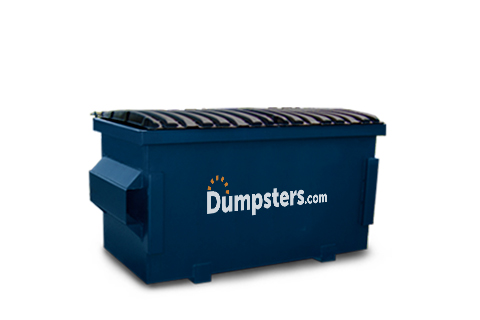
Be mindful of local regulations and standards, as they might differ depending on your place. Taking the time to comprehend what can be gotten rid of will ensure a smooth and problem-free dumpster rental experience.
Plan for Dumpster Delivery
With the dumpster rental period developed and a clear understanding of what can be gotten rid of, attention transforms to the logistics of delivery
It's important to plan for https://piedmonttriaddumpsters.com/blog/ dumpster distribution to ensure a smooth experience. Confirm the delivery date and time with the rental firm to prevent any miscommunication. Validate you have a clear path for the delivery truck to access the drop-off location. Remove any type of obstacles, such as autos or particles, that may impede the shipment process.
Additionally, assign a specific location for the dumpster to be placed, taking into account the size of the dumpster and the room available. Consider any type of overhead obstructions, like power lines or tree branches, that may hinder the delivery.
Verify the rental firm's delivery policies, including any type of extra costs for failed distributions or adjustments to the arranged drop-off time. By intending ahead, you can stay clear of possible concerns and assure a successful dumpster rental experience
Ensure Safe Dumpster Placement
Proper positioning of the dumpster is essential to assure a safe and practical rental experience This significant action is usually forgotten, but it's necessary to make certain the dumpster is placed in a way that enables easy loading and unloading, while likewise minimizing the danger of accidents and property damage.
When choosing a place, think about the closeness to your office, making certain it's close sufficient to help with effective filling yet much adequate to avoid obstructing walkways or driveways. In addition, pick a spot with a stable and level surface, preventing soft or irregular ground that might cause the dumpster to change or topple.
Be mindful of overhead obstructions, such as high-voltage line or tree branches, and keep the dumpster a minimum of 10 feet away from any kind of nearby frameworks. By taking these precautions, you'll develop a secure and effective workplace, allowing you to concentrate on your task without unneeded stress and anxiety or worry.
Load the Dumpster Efficiently
The efficient loading of a dumpster service is vital to maximize its capacity, minimize service periods, and lessen the risk of accidents or residential or commercial property damage.
A well-loaded dumpster assurances that you obtain the most value out of your service and stays clear of costly expansions or added containers. To achieve suitable loading, beginning by putting the largest, heaviest items at the bottom, such as furniture and appliances. This produces a secure base that allows you to stack smaller items on top.
Break down bulky items like boxes and pallets to fill up spaces and maximize the readily available space. Keep comparable things together, like construction materials or family waste, to simplify the packing process
Manage Hefty Particles and Waste
Managing heavy debris and waste calls for special attention to guarantee safe and efficient dumpster rental operations Heavy products like concrete, asphalt, and blocks can be dangerous if not handled correctly, and inappropriate disposal can bring about environmental injury and costly fines.
To manage heavy particles successfully, it's vital to select the best dumpster dimension and type for the job. A heavy-duty dumpster with a strengthened flooring and durable walls is essential for managing heavy materials.
Additionally, it's essential to fill the dumpster appropriately, placing the heaviest things at the bottom and distributing the weight uniformly to avoid tipping or collapse.
It's additionally essential to comply with the dumpster rental company's standards for weight restrictions and product restrictions to stay clear of additional costs or penalties.
Follow Regional Dumpster Regulations
In accordance with local ordinances, dumpster rental procedures should comply with specific regulations to prevent fines, charges, and ecological hazards
Failure to follow these guidelines can cause severe repercussions, including penalties, litigation, and damages to your track record. It is vital to research study and recognize the regional laws governing dumpster rental in your area.
Familiarize yourself with the permitted dumpster sizes, types, and materials allowed. Some areas may have limitations on the weight, dimension, or kind of waste that can be thrown away in a dumpster.
Additionally, there may specify rules relating to dumpster positioning, such as proximity to walkways, roads, or surrounding properties.
Before leasing a dumpster, verify you have the necessary allows and licenses Verify that the rental business is compliant with neighborhood policies and has actually the called for permits.
Optimize Dumpster Rental Costs
Optimizing dumpster rental costs requires a detailed understanding of the aspects that influence rates. Several variables come into play, including the dumpster size, rental duration, type of waste, and place. Recognizing these aspects can aid you make informed decisions and prevent unneeded expenses.
One secret strategy is to select the right dumpster dimension for your project. A dumpster that is as well small can bring about extra leasing periods, while one that is too huge can lead to lost room and money. Consider the type and quantity of waste you expect to generate and pick a dumpster size accordingly.
Additionally, bear in mind the rental duration. Longer rental durations can boost costs, so prepare your task timeline appropriately. Some dumpster rental companies may offer discounts for longer rental periods, so make sure to ask about any potential savings