When renting a dumpster, numerous essential factors to consider can make all the distinction in guaranteeing a smooth, effective, and cost-efficient waste disposal procedure. Determining the appropriate dumpster size is important, as it directly affects prices and performance. Rental period options, varying from a few days to several weeks or months, need to be meticulously considered to fit task demands. Additionally, comprehending debris type and weight limits, in addition to placement and accessibility issues, can protect against unanticipated expenditures and security issues. By considering these aspects and budgeting as necessary, occupants can ensure a convenient experience; explore the information of each factor to consider to maximize your dumpster rental.
Determining the Right Dumpster Size
When embarking on a task that needs waste disposal, picking the suitable dumpster size is important to verify efficient and cost-effective elimination of debris. Incorrectly sizing a dumpster can result in additional costs, delays, and also safety hazards
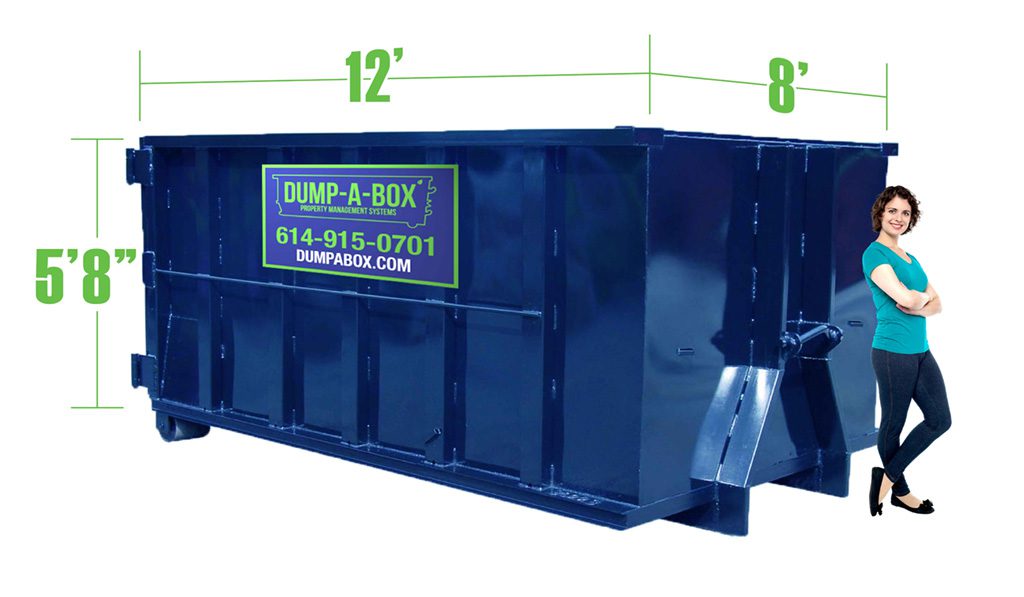
To determine the appropriate dumpster size, take into consideration the type and volume of waste you expect to create. Action the location where the dumpster will be positioned to validate it fits easily. Typical dumpster sizes range from 10 to 40 cubic backyards, with 20 and 30 cubic backyards being one of the most popular.
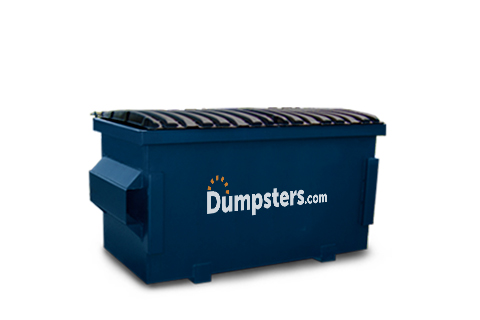
When approximating the volume of waste, think about the weight and density of products. As an example, heavy materials like concrete or asphalt need bigger dumpsters, while lighter products like drywall or roofing roof shingles can fit in smaller sized ones.
Additionally, take into consideration any type of special requirements, such as refrigerant disposal or big device elimination. By precisely assessing your requirements, you can pick the ideal dumpster dimension, validating a smooth and successful project.
Understanding Rental Period Options
A construction timeline is just as strong as its waste monitoring plan, and a vital element of that plan is understanding rental period options for dumpsters.
Rental periods can differ depending on the task's range and timeline, and it's vital to pick the right option to avoid unneeded extensions or charges. Typically, rental durations vary from a few days to numerous weeks and even months.

Short-term rentals are suitable for tiny tasks or occasions, while long-term rentals are much better fit for large-scale building or demolition tasks. Some dumpster rental business supply flexible service durations, allowing you to readjust the period as needed.
It's crucial to review your project's details requirements with the rental company to figure out one of the most cost-effective and convenient rental duration. Make sure to ask about any kind of added fees related to expansions or early discontinuation to ensure you're getting the most effective value for your money.
Debris Kind and Weight Limits
Here are some vital factors to consider:
Heavy materials: Hefty products like concrete, asphalt, and dirt have higher weight restrictions than lighter materials like paper and cardboard.
Hazardous materials: Unsafe products like batteries, electronics, and chemicals need unique disposal treatments and may not be allowed routine dumpsters.
Organic materials: Organic materials like food waste and lawn trimmings may go through particular regulations and weight limits.
Construction materials: Building and construction materials like roofing tiles, drywall, and lumber have particular weight limitations and disposal requirements.
Understanding the debris kind and weight limits of your dumpster rental is crucial to guarantee a smooth and cost-effective disposal process.
Placement and Availability Concerns
Proper dumpster positioning is equally as crucial as understanding debris type and weight limits, as it straight influences the efficiency and safety of the disposal process. A well-placed dumpster guarantees easy access for loading and unloading, reducing the danger of accidents and injuries.
It is necessary to recognize a flat, steady surface that can support the weight of the dumpster and its materials. Additionally, the placement needs to allow for sufficient space to maneuver around the dumpster, making it possible for easy access for disposal trucks.
Accessibility is another vital variable to take into consideration. Confirm that the dumpster is positioned in an area that is easily accessible for your team or family participants. This will certainly assist in efficient loading and minimize the danger of accidents.
Moreover, examine the proximity of the dumpster to the area where particles is being generated. Positioning the dumpster in close proximity can reduce labor costs and boost productivity.
Budgeting for Rental and Disposal
Establish a detailed allocate dumpster service and disposal by considering numerous crucial factors to prevent unexpected expenses.
A well-planned budget guarantees you're gotten ready for the prices related to renting out a dumpster and disposing of waste.
Rental Period: Compute the duration you'll need the dumpster, as this directly influences the total cost.
Be certain to factor in any kind of potential expansions or changes to your project timeline.
Dumpster Size: Select a dumpster dimension that suits your task's requirements, as bigger dumpsters cost more.Consider the kind and quantity of waste you'll be getting rid of to pick the best size.
https://jsbin.com/codixokawi Disposal Fees: Study regional disposal costs, which differ depending on the type and weight of waste.Make sure to consist of these costs in your budget plan to stay clear of surprises.
Delivery and Pickup: Factor in the costs of delivering and picking up the dumpster, in addition to any kind of potential extra charges for fuel surcharges or travel time.