Renting a dumpster includes a number of crucial aspects to take into consideration, including selecting the right size based upon job scope and waste type, comprehending debris restrictions and prohibited products, and managing rental durations and logistics. Precise estimation of rental duration and weight limitations is vital to stay clear of additional charges, while recognition of local regulations and permitting requirements is necessary to avoid fines or removal. With different prices and charges to consider, including shipment, disposal, and obese costs, it is necessary to have a clear understanding of the whole procedure to ensure an effective and cost-efficient dumpster rental experience that satisfies your one-of-a-kind needs.
Choosing the Right Dumpster Size
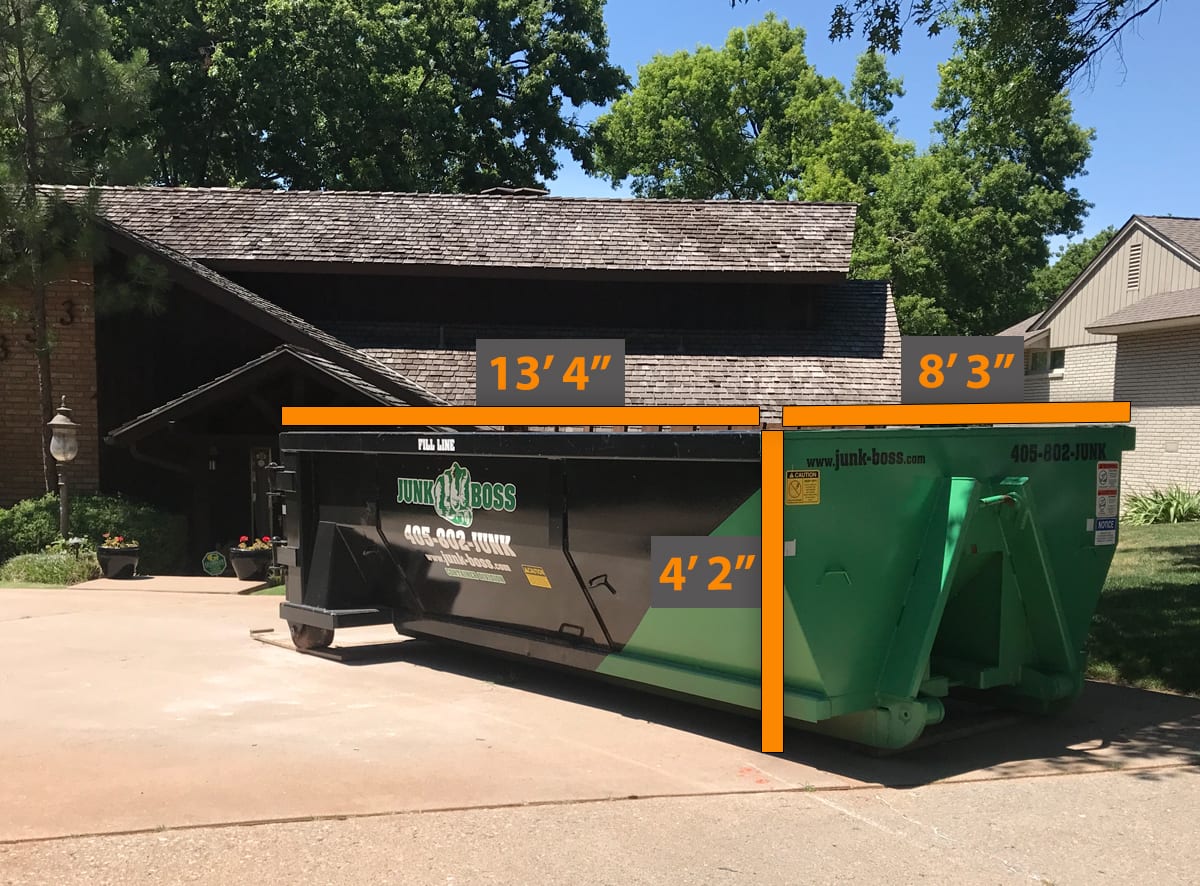
To determine the ideal dumpster size, consider the scope of your job, including the amount and kind of waste to be removed.
For small-scale projects, such as clearing out a solitary area or minor remodellings, a 10-15 yard dumpster may be sufficient.
Larger jobs, like building or demolition, might call for a 20-30 backyard dumpster and even larger.

It's also crucial to consider any space constraints, such as narrow alleys or tight corners, that might impact dumpster placement and accessibility.
Understanding Debris Restrictions
Debris limitations play an essential role in making sure that dumpster rentals are used efficiently and sensibly. These constraints differ by dumpster rental business and regional laws, so it's crucial to recognize what products are permitted and prohibited in the dumpster.
Generally, most dumpster rental firms approve house trash, building particles, and backyard waste. Nonetheless, hazardous materials like batteries, electronics, and chemicals are purely restricted because of environmental and safety and security concerns.
Additionally, some firms may have specific rules for things like tires, devices, and bed mattress, which might need special handling or disposal. Recognizing these constraints in advance can conserve you from additional fees, fines, or even having the dumpster rejected.
Be sure to ask your dumpster rental supplier concerning their details debris restrictions and standards to make sure a smooth and certified rental experience. By being aware of these policies, you can successfully manage your waste disposal needs while also protecting the environment and community.
Rental Duration and Logistics
Most dumpster rental periods variety from a couple of days to a number of weeks, depending on the range and period of the project.
It's crucial to identify how long you'll need the dumpster to assure you have adequate time to complete your task without incurring additional fees Usually, services can be extended if required, however it's vital to communicate with the rental company ahead of time to avoid any kind of penalties.
When planning your rental period, consider the size of your task, the amount of debris you anticipate to generate, and the schedule of the dumpster.
Keep in mind that dumpsters might have weight limits, so it is essential to estimate the weight of your waste properly. Failing to do so may result in added fees or perhaps dumpster elimination before the rental period is over.
Logistically, dumpsters are usually delivered and selected up during company hours, so plan appropriately to assure a person is offered to approve the delivery and manage the pickup.
Be certain to ask about any specific requirements or constraints for dumpster placement on your residential property to avoid any type of concerns throughout the rental period.
Costs and Added Fees
The general price of a dumpster rental normally includes the rental period, dumpster dimension, and kind of waste being thrown away. These factors can differ depending on the certain requirements of your job, and understanding just how they influence the last price is essential.
Some extra fees to take into consideration consist of:
- Delivery and pickup costs: These costs cover the price of delivering the dumpster to and from your site. Overweight fees: If the dumpster surpasses its weight capacity, you might be billed extra. Disposal fees: The cost of getting rid of the waste can vary depending on the type and quantity. Fuel additional charges: Some rental companies may add a fuel surcharge to the final bill Late charges: Failing to return the dumpster in a timely manner can result in additional charges.
It's essential to go over these potential fees with your rental business upfront to stay clear of any type of surprises when the final costs arrives.
Permitting and Zoning Laws
Project site logistics play a necessary function in dumpster rentals, as local regulations can substantially influence the rental procedure. Permitting and zoning laws, particularly, can be a hurdle otherwise properly addressed.
Before leasing a dumpster, it's essential to identify if any kind of licenses are called for to place the dumpster on your home or in a particular location. Failure to get the necessary permits can lead to penalties, penalties, and even dumpster removal.
To stay clear of such problems, it's advised to talk to your local government or homeowners organization (if relevant) to comprehend the laws in your area.
Some municipalities might call for an authorization for dumpster placement, while others may have specific restrictions on dumpster dimension, type, or placement. Furthermore, zoning laws might dictate where dumpsters can be put on your residential or commercial property, such as http://piedmont-triaddumpsters.lowescouponn.com/10-vital-steps-for-an-effective-dumpster-rental range from walkways or neighboring properties.